
Atlanta Development to Watch in 2026: What Homebuyers, Investors & Neighbors Should Know
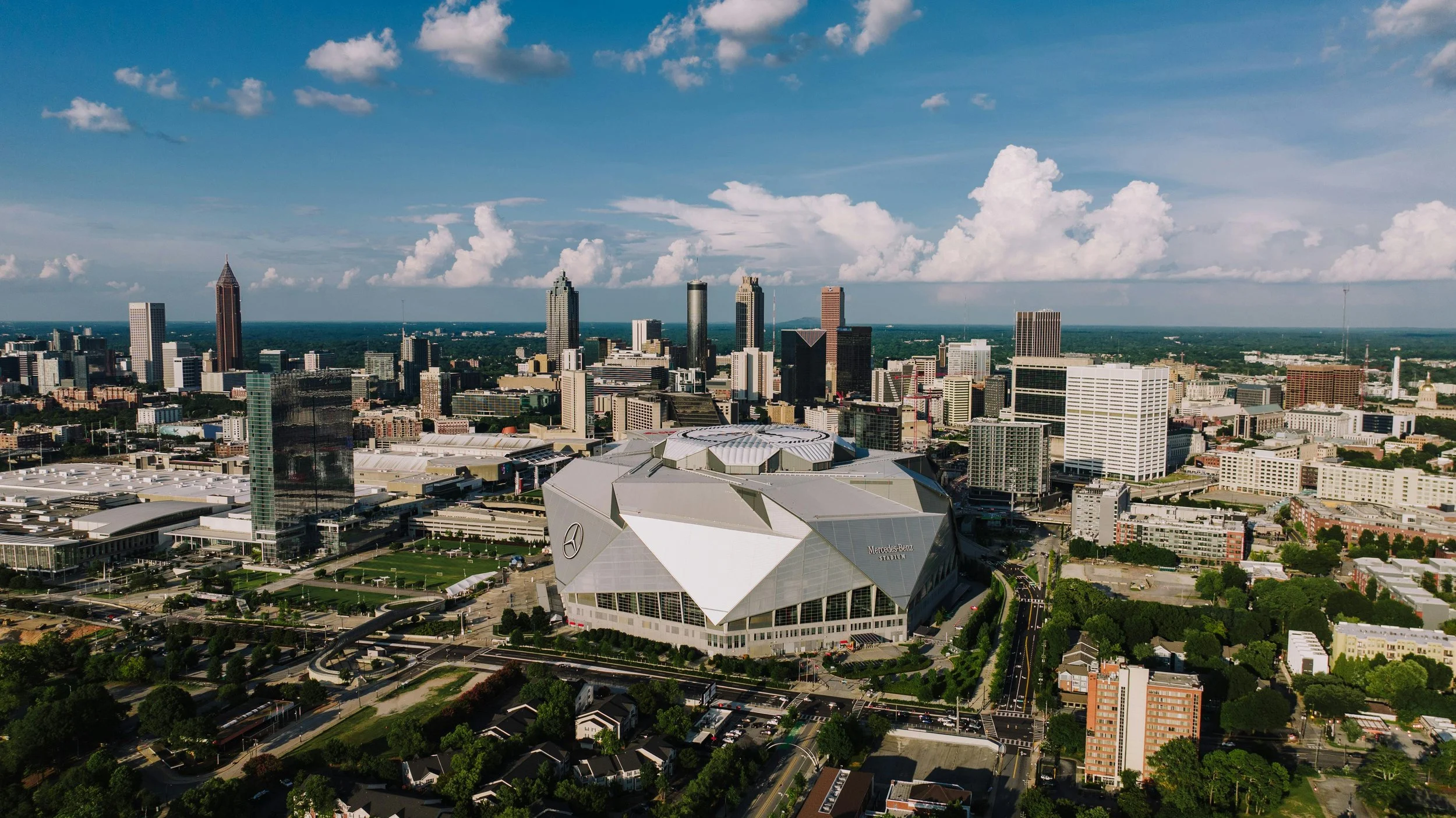
From new transit lines to skyscrapers reshaping the skyline and major mixed-use hubs gearing up for the FIFA World Cup, 2026 is shaping up as a pivotal year for Atlanta’s real estate and urban landscape. Below are the top development stories that will influence neighborhoods, property values, and long-term growth across the metro.
10. Buckhead Village’s Mixed-Use Growth Faces Delays
Buckhead Village continues to evolve with new construction like CA Ventures’ 22-story mixed-use tower at 340 East Paces Ferry Road, but other planned high-rises nearby — including mass-timber-framed projects — haven’t broken ground yet. Demolition activity hints at change, but some portions of Buckhead’s core remain stalled going into 2026.
9. The Stitch Project Still in Play — But Not Shovels Yet
A decade after its first unveiling, the Stitch — a plan to cap the Downtown Connector with parks and public space — lost a major federal grant in 2025, but isn’t dead. Planners are pursuing a smaller Phase 1 with secured design funding and a special assessment district approved by Atlanta City Council to support the project’s operations. Whether actual construction begins this year remains uncertain.
8. Murphy Crossing: Still Waiting for Real Progress
Nearly eight years after acquiring the 20-acre Murphy Crossing site near Oakland City, Atlanta Beltline Inc. still hasn’t started development there. A dense neighborhood concept could break ground in 2026, but only rezoning and planning work is expected in the meantime — a reminder that strategic infill can take years to materialize.
7. A New Amtrak Hub Decision Is Coming
Amtrak’s 2025 legislative report requested nearly $30 million in federal funds to select a major intercity rail hub site in Atlanta. Possible locations include land near the Georgia World Congress Center or a location within Centennial Yards(the city’s massive multi-use redevelopment). Expect clarity on the chosen site in 2026 — and with it, meaningful implications for transit-oriented development.
6. Broad Street’s South Downtown Revival
Across South Downtown, historic buildings are undergoing renovation and turning into permanent restaurants, retail, and town-green space. Projects like 98 Broad Street signal a broader revitalization of this corridor, which could significantly expand livability and commercial activity just steps from MARTA.
5. Complete Streets & Walkable Neighborhood Investment
2026 should bring new pedestrian and bike-friendly streets citywide. Highlights include:
The Juniper Complete Street in Midtown
Revamping North Avondale Road/East College Avenue in Avondale Estates
Cycle track and traffic calming improvements in Decatur
Pedestrian upgrades along Boulevard from Grant Park south
These projects enhance walkability and connectivity — both selling points for urban living.
4. Centennial Yards Prepares for a Global Stage
With Atlanta hosting multiple matches during the 2026 FIFA World Cup, development at Centennial Yards is accelerating. The project’s Entertainment District — anchored by new hotels, restaurants, and social venues like Busy Bee Café and The Irish Exit — is targeting opening in time for the games. This massive mixed-use development will significantly transform what was once the Gulch into a high-demand urban destination for residents, visitors, and tenants alike.
3. 1072 West Peachtree: A New Skyscraper Enters Lease-Up
The 60-story 1072 West Peachtree is one of the most notable new towers in decades — the tallest building completed in Atlanta since the 1990s. With 357 luxury apartments, office space, and ground-floor retail, its lease-up in 2026 will help define Midtown’s residential market.
2. Beltline Becomes a True Crosstown Connector
After nearly two decades since initial trail construction began, the Atlanta Beltline is poised to become a continuous east-to-west route by mid-2026. Full Southside Trail connectivity before the World Cup is forecasted, which would make the Beltline a viable commuter, recreational, and neighborhood connector — a potent driver of adjacent property value and lifestyle appeal.
1. MARTA’s First New Transit Line in 25 Years
Perhaps the biggest story for transit-oriented real estate: the MARTA Rapid A-Line, the region’s first new transit corridor since 2000, is slated to debut in spring or summer 2026. This bus rapid transit (BRT) service will link Downtown with Summerhill, Peoplestown, and the Beltline’s Southside Trail using dedicated lanes and faster boarding technology. It’s a major step toward a more robust transit network, and one that could expand housing and commercial opportunities along the route.
What It Means for Atlanta Real Estate
For buyers and renters:
New transit and trail connections can hugely expand walkable, car-free lifestyles.
Amenities like Complete Streets and Broad Street’s cultural revival add quality-of-life value.
For sellers and investors:
Major centers like Centennial Yards and Midtown high-rises strengthen downtown appeal.
Improved infrastructure tends to boost property desirability and support higher valuations over time.
For developers:
Transit investment and connected infrastructure create clear corridors for mixed-use and residential development.