
Interior Design Trends for 2026: What Atlanta Homeowners & Buyers Should Know
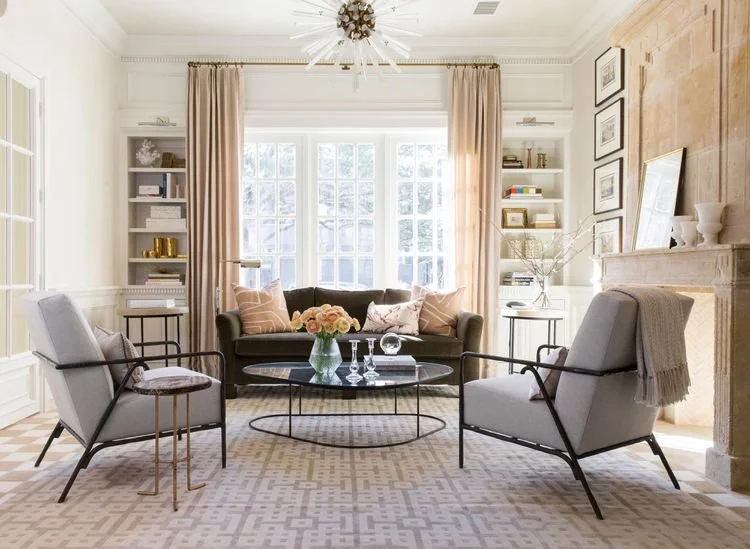
In 2026, interior design is moving away from stark minimalism and matching sets toward spaces that feel warm, personal, and curated. Experts say buyers increasingly want homes that tell a story, feel comfortable, and show quality finishes — not just sterile showrooms.
Whether you’re preparing your Atlanta listing for market or planning a refresh to boost resale value, here are the top design trends shaping interiors this year — and why they matter for real estate.
1. Cozy, Retreat-Like Bedrooms
Bedrooms in 2026 are designed as sanctuary spaces. Think soft, upholstered beds, tactile textiles, and layered lighting that make the room feel like a retreat — a big selling point for buyers prioritizing wellness and comfort.
2. Aged & Authentic Materials
Gone are the days of everything looking brand new and glossy. Aged metals (like unlacquered brass and bronze), organic wall treatments, and natural finishes bring a patina that feels lived-in and luxurious. These choices signal quality to discerning buyers and can elevate even modest homes.
3. Pattern & Texture That Tell a Story
Bold, patterned textiles and layered materials — from woven fabrics to artisanal rugs — are replacing flat, neutral interiors. This layered look gives rooms depth and character, helping buyers visualize a home that feels collected over time rather than staged.
4. Curated Maximalism Over Minimalism
Minimalism dominated the last decade, but in 2026 the pendulum is swinging the other way: curated maximalism. This isn’t clutter — it’s intentional layering of meaningful pieces, art, and textures that give spaces personality and warmth.
5. Warm, Layered Color Palettes
Cool grays and stark whites are losing ground to warm neutrals, earthy tones, and color drenching — where a single hue carries across walls, trim, and even ceilings. These palettes can make spaces feel cozy and intentional, which can improve buyer emotional connection in listings.
6. Elevated Ceilings — The “Fifth Wall”
Designers are treating ceilings as an extra design surface — with paint, texture, or wallpaper — to add sophistication and visual interest. It’s a detail buyers notice in photos and in person, and can help standout listings feel more finished.
7. Hospitality-Inspired Details
Homes that feel like luxury hotels at home are trending. Think layered lighting, rich textiles, and attention to small details like hardware and built-ins. These elements help listings appeal to buyers who want comfort and convenience together.
8. Craftsmanship & Artisanal Pieces
Investing in handmade or custom elements — from ceramics to hand-woven fabrics — tells buyers the home was curated with care, not just decorated with mass-produced pieces. These details can set a property apart without a full renovation.
What This Means for Atlanta Listings
🛋 Staging matters more than ever. Buyers in 2026 respond to interiors that feel comfortable, lived-in, and thoughtfully designed — not cold or cookie-cutter.
🎨 Color and texture add value. Warm tones and layered materials help listings pop in photos and feel more inviting in showings.
🪑 Quality over trendiness. Timeless materials and artisanal elements signal permanence and value — appealing to both end-users and investors.
🗝 Small updates can pay off. Even simple changes — textured paint, swapping in patterned textiles, or adding warm lighting — can transform a space and ease appraisal concerns.
Takeaway
2026 interior design trends reflect a broader shift toward authentic, warm, and personal spaces. For sellers and agents, this means prioritizing staging and updates that feel intentional, inviting, and functional — especially in competitive markets like Atlanta.
Ready to align your next listing with 2026’s design priorities? I can help you create a pre-market refresh checklisttailored to Atlanta buyers — just ask!